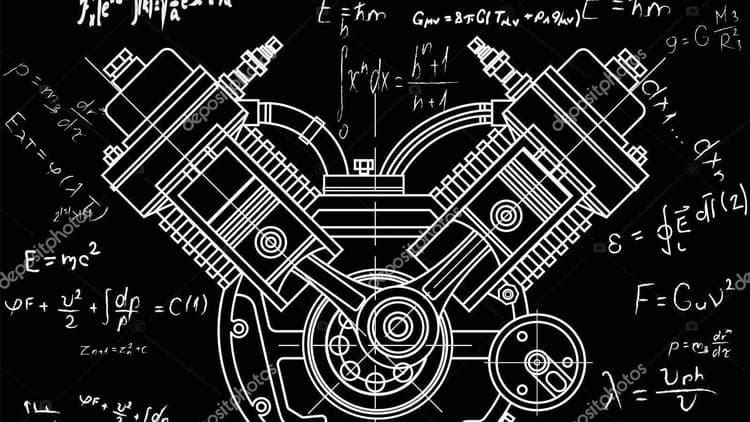
Internal Combustion Engines | ICE-2022 |
Master new skills with expert-led instruction. Get 100% OFF with verified coupons and earn your certificate.
Lifetime access • Certificate included
This course includes:
- 📹0 mins on-demand video
- 📄3 articles
- 📥0 downloadable resources
- 📱Access on mobile and TV
- 🏆Certificate of completion
- ♾️Full lifetime access
📖About This Course
This course studies the fundamentals of how the design and operation of internal combustion engines affect their performance, efficiency, fuel requirements, and environmental impact. Topics include fluid flow, thermodynamics, combustion, heat transfer, friction phenomena, and fuel properties, with reference to engine power, efficiency, and emissions. Students examine the design features and operating characteristics of different types of internal combustion engines: spark-ignition, diesel, stratified-charge, and mixed-cycle enginesCOURSE OUTLINEFundamentals of Internal Combustion EnginesEngine & Heat EngineComparison of Internal and External combustion enginesPros and Cons of Internal Combustion enginesEngine classification.Classification of the Basis of Cycle of OperationClassification of the Basis of Type of Fuel UsedClassification of the Basis of Method of ChargingClassification of the Basis of Type of IgnitionClassification of the Basis of Type of CoolingClassification of the Basis of Cylinder ArrangementBasic engine components of IC EngineNomenclature of IC EngineFour-stroke Spark Ignition SI Engines (Gasoline or Otto) & P-V AND T-S Diagrams of Otto CycleFour-stroke Compression Ignition CI Engines (Diesel) & P-V AND T-S Diagrams of Diesel CycleComparison of four-stroke Spark Ignition SI and Compression Ignition CI EnginesInteractive learning of engine components and classificationApplication of IC and EC Engines.Comparison of Four-Stroke and Two-Stroke EnginesEngine performance parametersIndicated Thermal EfficiencyBrake Thermal EfficiencyMechanical EfficiencyVolumetric EfficiencyRelative EfficiencyMean Effective pressureMean piston speedSpecific Power OutputSpecific fuel consumptionFuel-air (?/?) or Air-fuel Ratio (?/?)Equivalence ratioCalorific ValueProblem-based learning of Engine measurement and testing (Numerical)Otto cycleDerivation for expressions of Thermal Efficiency, Work output, and MeanEffective Pressure of the Air Standard Otto cycleProblem-based learning of the Air Standard Otto cycle (Numerical)Diesel cycleDerivation for expressions of Thermal Efficiency, Work output and MeanEffective Pressure of the Air Standard Diesel cycleProblem-based learning of the Air Standard Diesel cycle (Numerical)Dual cycleDerivation for expressions of Thermal Efficiency, Work output and MeanEffective Pressure of the Air Standard Dual cycle.Problem-based learning of the Air Standard Dual cycle (Numerical)Comparison of Otto, Diesel, and Dual CyclesUnderstand the Brayton CycleHow to do soft calculations and plotting in excel for Solving NumericalWhy it is important to study types of fuels and their characteristics?Types of fuels (Solid, Liquid, and Gaseous Fuels)Chemical structure of PetroleumImportant qualities of SI engine fuelsVolatilityStarting & Warm-upOperating range performance:Crankcase DilutionVapor Lock Characteristics:Antiknock QualityGum DepositsSulphur ContentImportant qualities of CI engine fuelsKnock CharacteristicsVolatilityStarting CharacteristicsSmoking and OdourViscosityCorrosion and WearHandling EaseRating of SI & CI Engine FuelsThe calorific value of fuelWhy there is a need for alternate fuels?Alcohol as a fuelHydrogen as a fuelNatural gas as a fuelLPG as fuelCarburetor In Internal Combustion EnginesFactors Affecting CarburetionThe Engine SpeedVaporization Characteristics of the FuelThe temperature of Incoming AirDesignAir-Fuel Mixture RequirementsIdling/ StartingCruising/ Normal PowerMaximum Power/ AccelerationComponents of CarburetorFuel StrainerFloat ChamberFuel Discharge NozzleChoke ValveThrottle ValvePrinciple of CarburetionDeficiencies of the Elementary CarburetorUnderstand Modern Carburetor DesignCompensating DevicesAir Bleed JetCompensating JetEmulsion TubeTypes of Carburetor Based on Direction of FlowUp-draughtDown-draughtCross –draughtCalculation of air Fuel Ratio in CarburetorProblem-based learning of the Carburetor (Numerical)Mechanical Injection SystemsComparison between Carburetor and Mechanical Injection SystemsFunctional Requirements of Injection SystemsClassification of Injection SystemsAir Injection SystemSolid (Airless) Injection SystemMain Components and working of Mechanical Injection SystemsVarious Fuel Injection SystemsIndividual Pump and Nozzle SystemsUnit Injector SystemCommon Rail SystemDistributor SystemComparison of Various Fuel Injection SystemTypes of Pump in Fuel Injection SystemsFuel Feed PumpsInjection PumpsJerk Type PumpsDistributor Type PumpsInjection Pump GovernorMechanical GovernorPneumatic GovernorFuel Injector Assembly and its workingNozzle in Combustion ChamberFunctions of NozzleTypes of NozzlesSpray formation in Combustion ChamberQuantity of Fuel and Size of Nozzle OrificeInjection in SI Engines (Continued and Time Injection)Combustion Process and Combustion Chambers in IC EnginesIntroduction to CombustionCombustion Reactions and EquationsCalorific Valves & Homogenous mixture of air and fuel for CombustionCombustion in SI EnginesStages of Combustion in SI EnginesFlame Front PropagationFactors influencing the flame speed during CombustionTemperature and PressureEngine OutputEngine SpeedEngine SizePhenomena of Knock in SI EnginesEffects of Engine Variables on KnockingDensity FactorsTime FactorsComposition FactorsCombustion in CI EnginesStages of Combustion in CI EnginesIgnition Delay PeriodPeriod of Rapid / Uncontrolled CombustionPeriod of controlled CombustionFactors affecting the delay periodCompression RatioIntake TemperatureIntake PressureQuality of FuelsSpeedOutputAtomization and Duration of InjectionInjection TimingComparison between SI and CI Engine KnockingCharacteristics of tending to Reduce Detonation or KnockCombustion Chambers of SI and CI EnginesNumerical Problems Combustion and Combustion ChambersInternal Combustion Engine Emissions and ControlIntroduction to IC Engine EmissionsAir Pollution due to IC EngineEuro Norms / European Emission StandardsClassification of Engine EmissionsCauses of Hydrocarbon EmissionIncomplete CombustionCrevice Volumes and Flow in CrevicesLeakage past the Exhaust ValvesValve OverlapDeposits on WallsOil on Combustion Chamber WallsHC Emissions from SI and CI EnginesOther Types of Engine EmissionsCarbon Monoxide (CO) EmissionsOxides of Nitrogen (NOx) EmissionsPhotochemical SmogParticulates EmissionAldehydes and Lead EmissionOxides of Sulfur (SOx) EmissionsEngine Emissions ControlsModification in Engine Design & Operating ParametersCombustion Chamber ConfigurationLower Compression RatioModified Induction SystemIgnition TimingReduced Valve OverlapEmissions Control by Exhaust Gas OxidationThermal ConvertersCatalytic ConvertersExhaust Manifold ReactorExhaust Gas RecirculationParticulate TrapsCrankcase BlowbyEmission Control by Modification of FuelsLubrication and Lubrication Systems in IC EnginesIntroduction to LubricationLubrication and its FunctionsPhysical and Chemical Stability of LubricantProperties and Viscocity of LubricantsFlash Point and Free Point TemperatureCloud Point and Pour Point TemperatureOiliness, Anti Corrosive and EmulsificationAdhesiveness, Film Strength & Specific GravityNeutralization NumberLubricating Oil AdditivesDetergentsDispersantsAnti-Wear AdditivesRust InhibitorsViscosity Index ImproversPour Point AdditivesAnti-Foaming AgentsAnti-OxidantsOiliness ImprovementType of LubricantsMineral OilsFatty OilsSynthetic OilsMulti-Grade OilsGreasesLubrication SystemsWet Sump Lubrication SystemDry Sump Lubrication SystemMist Lubrication SystemEngine Cooling Systems for IC EnginesThe necessity of Engine CoolingDemerits of Over CoolingGas Temperature VariationEffects of Operating Variables on Engine Heat TransferCompression RatioAir Fuel RatioIgnition TimingLoad and SpeedCooling SystemsAir-Cooling SystemsLiquid/Water Cooling Systems
Internal Combustion Engines - Free Udemy Course [100% Off Coupon Code]
Limited-Time Offer: This Teaching & Academics-Engineering Udemy course is now available completely free with our exclusive 100% discount coupon code. Originally priced at 19.99, you can enroll at zero cost and gain lifetime access to professional training. Don't miss this opportunity to master internal combustion engines without spending a dime!
What You'll Learn in This Free Udemy Course
This comprehensive free online course on Udemy covers everything you need to become proficient in internal combustion engines. Whether you're a beginner or looking to advance your skills, this free Udemy course with certificate provides hands-on training and practical knowledge you can apply immediately.
- Master the fundamentals of internal combustion engines to understand how design and operation affect performance, efficiency, fuel requirements, and environmental impact
- Build expertise in engine classification, components, and nomenclature to confidently identify different engine types and their applications
- Develop skills in analyzing engine performance parameters including thermal efficiency, volumetric efficiency, and mean effective pressure
- Gain proficiency in Otto, Diesel, and Dual cycles to calculate thermal efficiency, work output, and optimize engine performance
- Learn advanced fuel properties and alternate fuels like hydrogen, alcohol, and natural gas to stay current with industry trends
- Master carburetion and fuel injection systems to understand air-fuel mixture requirements and modern injection technologies
- Understand combustion processes in both SI and CI engines to analyze flame propagation, knock phenomena, and optimize combustion efficiency
- Study emissions control strategies to reduce environmental impact and comply with Euro norms and emission standards
- Explore lubrication and cooling systems to ensure proper engine maintenance and longevity
- Apply theoretical concepts through numerical problem-solving to develop practical engineering skills
Who Should Enroll in This Free Udemy Course?
This free certification course is perfect for anyone looking to break into automotive engineering or enhance their existing skills. Here's who will benefit most from this no-cost training opportunity:
- Engineering students seeking to master internal combustion engines for academic success and exam preparation
- Automotive technicians and mechanics looking to advance their technical knowledge and career prospects
- Automotive engineers wanting to deepen their understanding of engine performance and emissions control
- Graduates preparing for competitive engineering exams requiring ICE knowledge
- Automotive enthusiasts passionate about understanding how engines work and improving performance
- Professionals transitioning into automotive or mechanical engineering roles
- Technical teachers and instructors seeking comprehensive ICE curriculum materials
- DIY car enthusiasts wanting to optimize their vehicle's engine performance and efficiency
Meet Your Instructor
Learn from OZIS Academy, an experienced professional in engineering education with a proven track record of teaching thousands of satisfied students. With industry expertise and a passion for making complex engineering concepts accessible, OZIS Academy provides clear, practical instruction that bridges the gap between theory and real-world application.
Course Details & What Makes This Free Udemy Course Special
With an impressive 4.27 rating and 2083 students already enrolled, this Udemy free course has proven its value. The course includes 3 comprehensive lessons, all taught in English. What sets this free online course apart is the systematic approach to understanding internal combustion engines from fundamental principles through advanced applications. Upon completion, you'll receive a certificate to showcase on LinkedIn and your resume. Plus, with mobile access, you can learn anytime, anywhere—perfect for busy professionals. This Teaching & Academics course in the Engineering niche is regularly updated and includes lifetime access, meaning you can revisit materials whenever you need a refresher. The course covers everything from basic engine components to emissions control, making it the most comprehensive free resource available.
How to Get This Udemy Course for Free (100% Off)
Follow these simple steps to claim your free enrollment:
- Click the enrollment link to visit the Udemy course page
- Apply the coupon code: 7417A696A2FFAAC8FCAB at checkout
- The price will drop from 19.99 to $0.00 (100% discount)
- Complete your free enrollment before December 22, 2025
- Start learning immediately with lifetime access
⚠️ Important: This free Udemy coupon code expires on December 22, 2025. The course will return to its regular 19.99 after this date, so enroll now while it's completely free. This is a legitimate, working coupon—no credit card required, no hidden fees, no trial periods. Once enrolled, the course is yours forever.
Why You Should Grab This Free Udemy Course Today
Here's why this free certification course is an opportunity you can't afford to miss: internal combustion engines remain crucial in automotive and mechanical engineering, with skilled professionals commanding salaries up to $80,000+ in this field. This course provides zero-cost enrollment to premium education that typically costs $19.99, giving you access to knowledge that can accelerate your career, help you pass exams, or start freelance consulting projects. The comprehensive curriculum covers emissions control and alternate fuels—high-demand skills as the industry shifts toward sustainability. With lifetime access, you can revisit complex topics like Otto and Diesel cycles anytime, ensuring the investment in your skills pays dividends throughout your career.
Frequently Asked Questions About This Free Udemy Course
Is this Udemy course really 100% free?
Yes! By using our exclusive coupon code 7417A696A2FFAAC8FCAB, you get 100% off the regular 19.99 price. This makes the entire course completely free—no payment required, no trial period, and no hidden costs. You'll have full access to all course materials just like paying students.
How long do I have to enroll with the free coupon?
This limited-time offer expires on December 22, 2025. After this date, the course returns to its regular 19.99. We highly recommend enrolling immediately to secure your free access. The coupon has limited redemptions available.
Will I receive a certificate for this free Udemy course?
Absolutely! Upon completing all course requirements, you'll receive an official Udemy certificate of completion. This certificate can be downloaded, shared on LinkedIn, and added to your resume to showcase your new skills to employers.
Can I access this course on my phone or tablet?
Yes! This course is fully compatible with the Udemy mobile app for iOS and Android. Download the app, enroll with the free coupon, and learn on-the-go. You can watch videos, complete exercises, and track your progress from any device.
How long do I have access to this free course?
Once you enroll using the free coupon code, you get lifetime access to all course materials. There's no time limit—learn at your own pace, revisit lessons anytime, and benefit from future updates at no additional cost. Your one-time free enrollment gives you permanent access.
Frequently Asked Questions
Q: Is this course really free?
Yes! Using our verified coupon code, you can enroll for 100% OFF. No hidden charges.
Q: Do I get a certificate?
Upon completion of all video lectures, Udemy will issue a certificate of completion.
Q: How long is my access?
Once you enroll with the coupon, you get full lifetime access to the materials.
You May Also Like
Practice Test For FCC Amateur Radio Technician Class 2026

Life in the UK Test 2026: British Citizenship Exam